
If you have ever baked something only to find out halfway through that you misunderstood the recipe, you are not alone. Reading a recipe might seem simple, but there is a real art to it, so let’s learn How to Read a Recipe Like a Pro. A professional baker will tell you that understanding every word, measurement, and instruction before you begin is the secret to baking success. In this guide, we will break down exactly how to read a recipe like a pro so you can avoid common pitfalls and feel more confident in the kitchen.
That said, once you get it down, you’ll be set for life! It really is just a matter of practice and understanding a few slightly awkward phrases that recipe bloggers and cookbook writers use!

Why Reading a Recipe Properly Matters and why you will be glad you learned How to Read a Recipe like a Pro!
Baking is both science and art. Unlike cooking, where you can improvise more easily, baking requires precision. Every gram of flour and every minute in the oven can impact the final result. But don’t panic – there is always a little room for error, and once you start practicing, you’ll really learn where you can play and where the rules are there for a reason. When you take the time to carefully read and understand the recipe, you set yourself up for success. You will also save time, reduce stress, and avoid wasting ingredients. I’m no stranger to baking fails, and this is the guide I wish I had when I started baking!
Step 1: Read the Recipe from Start to Finish
Before you turn on the oven or gather a single ingredient, read the recipe all the way through. This gives you a full picture of what is involved and allows you to prepare for each step. Many beginners start baking without doing this, only to discover they need softened butter or that the dough must chill for two hours. Reading ahead means you will not be caught off guard.
Pro Tip: If you are baking for a special event, reading ahead also helps you plan the timing so your baked goods are fresh when served.
Step 2: Understand the Ingredient List
The ingredient list is more than a shopping guide. It often tells you exactly how to prepare each component before you begin.
For example:
- “1 cup butter, softened” means you measure the butter after it is softened.
- “1 cup chopped nuts” means you measure the nuts after chopping them.
- If the word “divided” appears, it means that ingredient will be used in different steps of the recipe.
Why this matters: Preparing ingredients incorrectly can throw off your entire bake. Always pay attention to these small details.
Step 3: Gather and Measure Ingredients Accurately
Professional bakers measure ingredients before they start mixing. This process, called mise en place, ensures everything is ready when you need it. It also helps prevent mistakes such as adding sugar twice or forgetting the salt altogether.
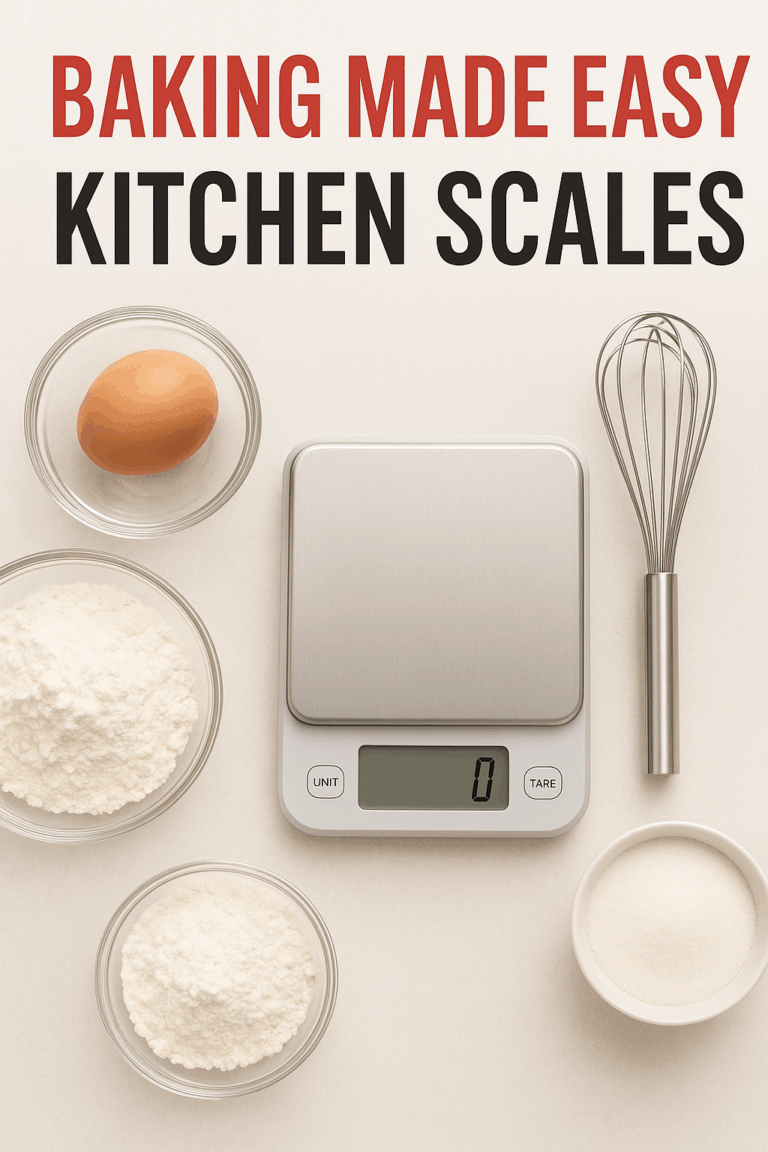
Whenever possible, use a digital kitchen scale for dry ingredients. Measuring by weight is more accurate than using cups, which can vary depending on how the ingredient is packed. For liquid ingredients, use a clear measuring jug designed for liquids, and check the measurement at eye level.
Step 4: Check the Equipment Needed
Recipes often include hints about the equipment required, but not always in one place. You might need specific baking tins, a cooling rack, or a stand mixer with certain attachments. Reading through the instructions will help you spot these requirements before you are in the middle of baking.
If the recipe calls for a pan size you do not own, you can search online for size conversions or adjust the baking time accordingly. Knowing this before you begin can save your bake from uneven cooking.
Step 5: Pay Attention to Order and Timing
Baking recipes are written in a specific order for a reason. The sequence of mixing, folding, and baking steps is designed to produce the intended texture and flavor. Skipping around or combining steps can change the outcome.
Timing is equally important. If a recipe says “beat for 3 minutes,” there is a reason. Overmixing can make cakes tough, while undermixing can leave streaks of flour. Use a timer to stay precise.
Step 6: Understand Baking Terminology
Beginner bakers often get tripped up by unfamiliar terms. Here are a few you will see often:
- Cream: Beat butter and sugar together until light and fluffy. This goes further than the mixture just being combined, the color should be very pale. With an electric mixer, you would expect to be mixing for 3-5 minutes.
- Fold: Gently combine ingredients without knocking out air. The best tool to do this is a wide silicone/rubber spatula. You want to scoop from underneath and fold in on top of the mixture. The idea is to keep as much air in the mixture as possible. You are ‘folding’ to combine, rather than using a whisk which is really vigorous.
- Scald: Heat a liquid just until it is almost boiling. For example, boiling cream or milk can be disastrous – it goes a weird texture, boils over, or just overall doesn’t go ‘right’. Usually with dairy, we just want to heat gently until it’s warm.
- Soft peaks: When whipped cream or egg whites form peaks that just hold their shape. When you drag a whisk, spoon or spatula through the mixture, it should form a ‘peak’ that sort of flops back over itself at the top. E.g. it stands up, somewhat, but not entirely.
- Stiff peaks: Like above, but taken a step further. Stiff peaks are what we want for something like meringues. You know you’ve truly reached this stage when the bowl can be turned upside down without anything moving or dripping (the fun way to test is to hold the bowl over your head – if you’re still clean after that, the peaks are stiff).
If you are unsure about a term, look it up before you start. Knowing the meaning will make the recipe much easier to follow.
Step 7: Note Special Preparation Steps
Some recipes have steps that must be done before the main baking process. This might include toasting nuts, chilling dough, or lining a baking tin with parchment paper. These steps can be easy to miss if you skim the recipe. Highlight them or make a checklist so you remember.
Step 8: Preheat and Prepare
Many recipes start with “Preheat the oven to…” for good reason. Ovens take time to reach the correct temperature, and baking in a cold oven can cause cakes to sink or pastries to bake unevenly.
While the oven heats, prepare your baking tins, line trays, or grease pans as directed. This way you can move straight from mixing to baking without delays.
Step 9: Follow Instructions Exactly (at First)
When you are new to baking, stick closely to the recipe. This helps you learn how different techniques and ingredients work together. Once you understand the basics and get consistent results, you can start experimenting with flavors and substitutions.
Step 10: Read Ahead Between Steps
Even if you read the full recipe before starting, it helps to glance at the next step as you go. This prevents surprises and gives you a chance to prepare for what is coming up next, such as getting eggs ready to add while you finish creaming butter and sugar.
Step 11: Make Notes for Next Time
Every time you bake, you learn something new. Keep a notebook or use the margins of your recipe to jot down what worked well and what you would change. You might note that your oven runs hot, so you reduced the baking time by 5 minutes, or that a pinch more cinnamon gave the perfect flavor. These small details will help you improve every time.
Final Thoughts: How to Read a Recipe Like a Pro
Learning to read a recipe like a professional baker is one of the most valuable skills you can develop in the kitchen. It is not just about following instructions. It is about understanding the process, preparing yourself fully, and anticipating what is needed at each stage. By reading the recipe from start to finish, paying attention to ingredient details, and respecting the order and timing of steps, you can dramatically improve your baking results. Over time, this habit becomes second nature and you will approach any recipe with confidence.
Baking is meant to be enjoyable, so allow yourself room to learn as you go. Mistakes happen to everyone, even the most experienced bakers. The more you practice reading recipes carefully, the more often your creations will turn out exactly as you imagined. And that is when baking becomes truly rewarding.
Further Reading after “How to Read a Recipe Like a Pro: A Beginner’s Guide”
For further reference, more tips and advice, check out my other baking tips pages like my ‘Common Mistakes Beginner Bakers Make‘ plus my FREE Beginners Baking Guide. For videos and baking inspiration, head on over to my Instagram.