
If you are new to baking, you have probably noticed how often recipes stress the importance of measuring ingredients correctly. Unlike cooking, where you can toss in a pinch of this or a splash of that, baking is more of a science. The smallest difference in the amount of flour, sugar, or butter can make your cookies too dry, your cake too dense, or your bread fail to rise. That is why one tool stands out as a beginner baker’s best friend: the kitchen scale. “Baking Made Easy: Kitchen Scales” is part of a range of articles I’ve written to help you on your baking journey!
A kitchen scale might not seem as exciting as a stand mixer or as fun as a cake decorating kit, but it is the one tool that will instantly make your baking more consistent, reliable, and enjoyable. Whether you are making brownies for the first time or perfecting sourdough bread, this simple gadget can save you time and frustration while helping your results look and taste more professional.
Let’s explore why a kitchen scale matters so much, how to use it, and why every beginner baker should put it at the top of their essentials list. So let’s dive in to Baking Made Easy: Kitchen Scales.
Why Accuracy Matters in Baking
Baking is essentially edible chemistry. Each ingredient plays a role, and the ratio between them determines the outcome. Flour provides structure, sugar adds sweetness and moisture, butter or oil adds richness, and eggs act as binders. If the balance is off, the final product will not turn out as intended.
For example, adding just a little too much flour can make cookies tough instead of chewy. Using less sugar than the recipe calls for can make a cake dry. Liquids measured incorrectly can prevent dough from coming together or cause it to spread too much in the oven.
Measuring cups and spoons are helpful, but they often lead to inconsistencies. One person might scoop flour differently than another. Even the same baker might measure differently from one day to the next. A scale eliminates that problem because weight is always accurate.
Cups vs. Grams: The Big Difference
Many American recipes are written in cups, but that system is not as precise as weighing ingredients. A cup of flour can weigh anywhere between 110 and 150 grams depending on how it is scooped. That is a huge difference, and it can drastically change your recipe.
On the other hand, 120 grams of flour is always 120 grams. Whether you live in New York or Los Angeles, whether the flour is packed or fluffy, whether the bag is brand new or halfway empty, the weight remains the same. That consistency is what makes a kitchen scale so valuable.
Professional bakers around the world rely on grams instead of cups. By using a scale, you are instantly upgrading your home baking to a professional level.
Baking Made Easy: Kitchen Scales – The Benefits of Using a Kitchen Scale
1. Better Consistency
When you measure by weight, your recipes will turn out the same every time. That means no more guessing why last week’s cookies were perfect and this week’s batch spread too thin.
2. Easier Cleanup
Using a scale often reduces the number of measuring cups and spoons you need to wash. Instead of dirtying three separate cups for flour, sugar, and cocoa powder, you can place your mixing bowl on the scale and add each ingredient directly.
3. More Reliable Results
Scales are especially useful for finicky recipes like macarons, sponge cakes, or bread. These recipes require exact ratios, and a scale makes sure you nail them every time.
4. Saving Ingredients
Because you are measuring accurately, you waste less. No more scooping too much flour only to pour half of it back into the bag. Over time, this adds up and saves money.
5. Simpler Baking Math
Many recipes are written for larger batches. With a scale, you can easily halve or double a recipe without confusion. If the recipe calls for 200 grams of flour and you only need half, just weigh out 100 grams. No complicated conversions needed.
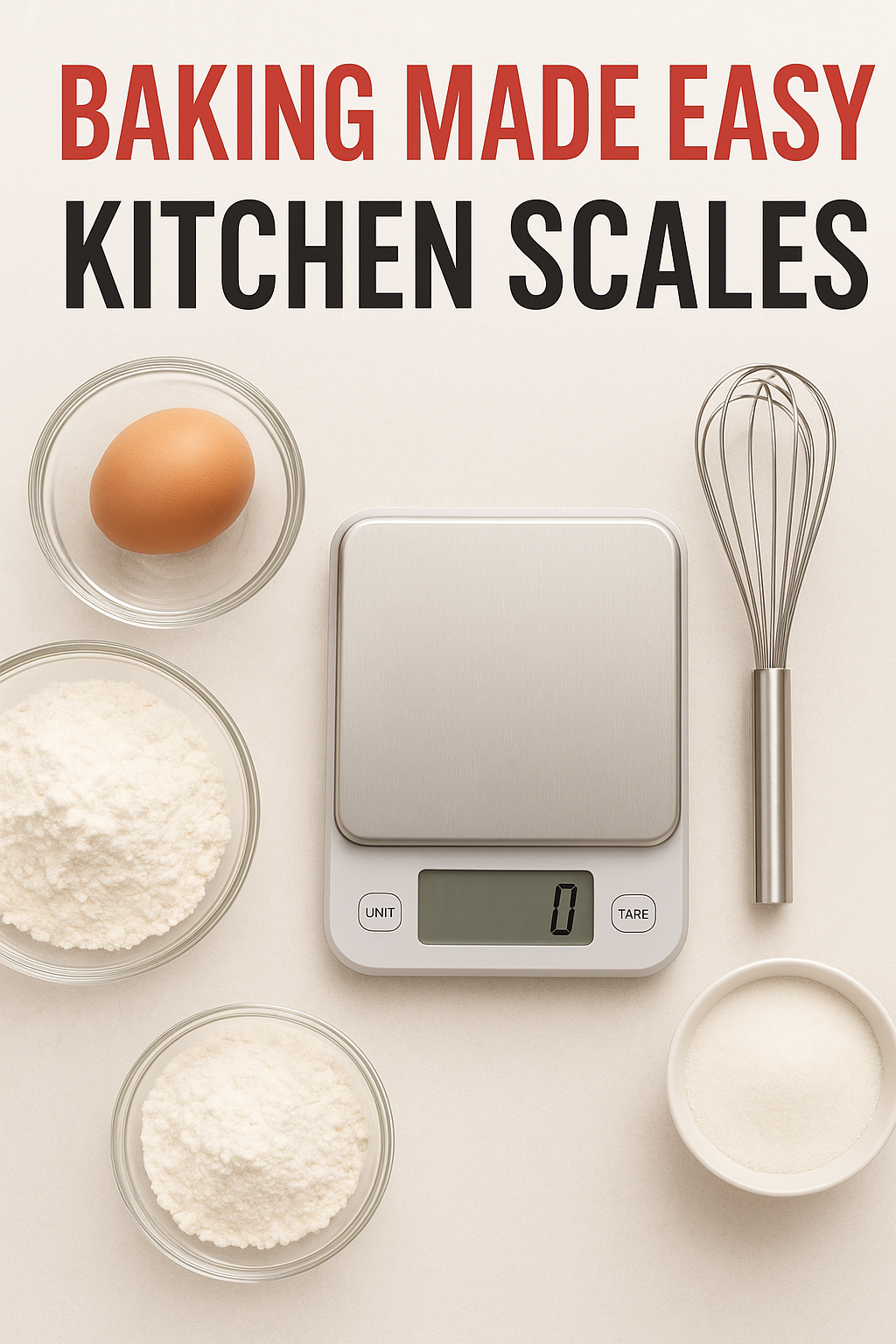
How to Use a Kitchen Scale
Using a scale might sound intimidating if you have never tried it, but it is actually very simple. Here is a step-by-step guide:
- Place your scale on a flat surface.
- Put your mixing bowl or measuring container on top.
- Press the “tare” or “zero” button to reset the display to zero.
- Add your first ingredient until you reach the desired weight.
- Press “tare” again to zero out the scale before adding the next ingredient.
That is it. Once you get used to it, you will find it faster and easier than using cups.
Choosing the Right Kitchen Scale
There are many scales on the market, but you do not need the fanciest or most expensive one to get started. Here are a few things to look for:
- Digital Display: Easy-to-read numbers make weighing stress-free.
- Unit Conversion: The ability to switch between grams, ounces, and pounds is helpful.
- Tare Function: This lets you reset the scale to zero after placing a bowl or after each ingredient.
- Capacity: Most home bakers will be fine with a scale that measures up to 11 pounds (5 kilograms).
- Compact Size: A slim scale is easier to store in a kitchen drawer or cabinet.
A simple digital kitchen scale costs less than a dinner out, but the value it brings to your baking is priceless.
Everyday Baking Examples
Still wondering how much of a difference a kitchen scale makes? Let’s look at a few everyday examples.
Cookies
A recipe might call for 2 1/4 cups of flour. Depending on how you scoop, that could be anywhere between 280 grams and 340 grams. That difference will affect whether your cookies stay chewy or turn out crumbly. Weighing ensures you hit the exact 300 grams the recipe intended.
Bread
Bread relies on the ratio of flour to water, known as hydration. Too much water and the dough is sticky and hard to handle. Too little water and it will not rise properly. Measuring by cups makes it nearly impossible to get this balance right, but a scale keeps hydration percentages exact.
Cakes
Cakes require lightness and balance. If you add too much flour, the cake can sink or become dense. By weighing each ingredient, you get a fluffy, moist cake that looks just like the pictures in the recipe.
Breaking Old Habits
If you grew up using cups and spoons, switching to a scale might feel strange at first. But once you try it a few times, it will become second nature. The joy of seeing your baked goods come out consistently beautiful and delicious is enough to convince most beginners after just one recipe.
You do not have to throw out your measuring cups altogether. They are still useful for liquids like milk or for when you are in a rush. But for dry ingredients and precision baking, the scale is unbeatable.
Tips for Beginners
- Practice with Simple Recipes: Start by weighing flour, sugar, and butter for cookies. See how much easier it feels.
- Use a Conversion Chart: Many recipes list cups, but a quick search will tell you the equivalent weight in grams. Keep a small chart in your kitchen until you get used to it.
- Check Recipe Sources: More food bloggers and cookbooks are including weights along with cups. Whenever you see grams listed, use them.
- Be Patient: Like any new skill, using a scale feels unfamiliar at first. Give yourself a few tries and you will quickly prefer it.
Why It Is SO Worth It
A kitchen scale is not just a tool, it is a confidence booster. It takes away the guesswork, the frustration, and the inconsistent results that can discourage new bakers. Instead, it gives you reliable outcomes that motivate you to keep going.
Imagine pulling a tray of cookies from the oven and knowing they will look and taste exactly the way you hoped. Or baking a loaf of bread that rises tall and golden instead of collapsing in the middle. That confidence is what keeps baking fun.
With such an affordable and compact tool, there is no reason not to add a kitchen scale to your beginner baking kit. It might just be the smartest investment you ever make for your kitchen.
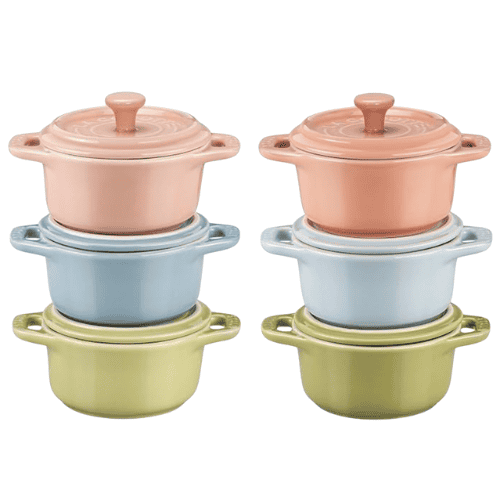
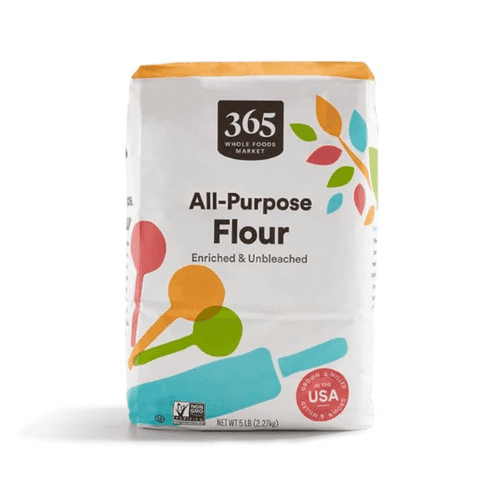
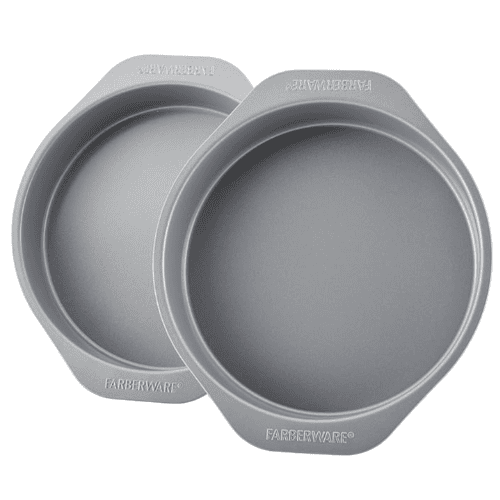
Kitchen Essentials

Shop my favorites to start you on your baking journey!
Final Thoughts: Baking Made Easy: Kitchen Scales
Every beginner baker dreams of creating recipes that turn out just right. The secret is not a fancy oven or expensive gadgets. It is accuracy. And the easiest way to get accuracy is with a kitchen scale.
Once you start using one, you will wonder how you ever baked without it. From cookies and cakes to bread and pastries, every recipe becomes simpler, more reliable, and more enjoyable. So if you are building your collection of baking tools, make sure the kitchen scale is at the very top of your list.
Further Reading After “Baking Made Easy: Kitchen Scales”
For further reference, more tips and advice, check out my other baking tips pages like my “Beginner Baking Tools You Need” or take a look at any of the posts under Baking Tips! Plus, you can download my FREE Beginners Baking Guide. For videos and baking inspiration, head on over to my Instagram.