
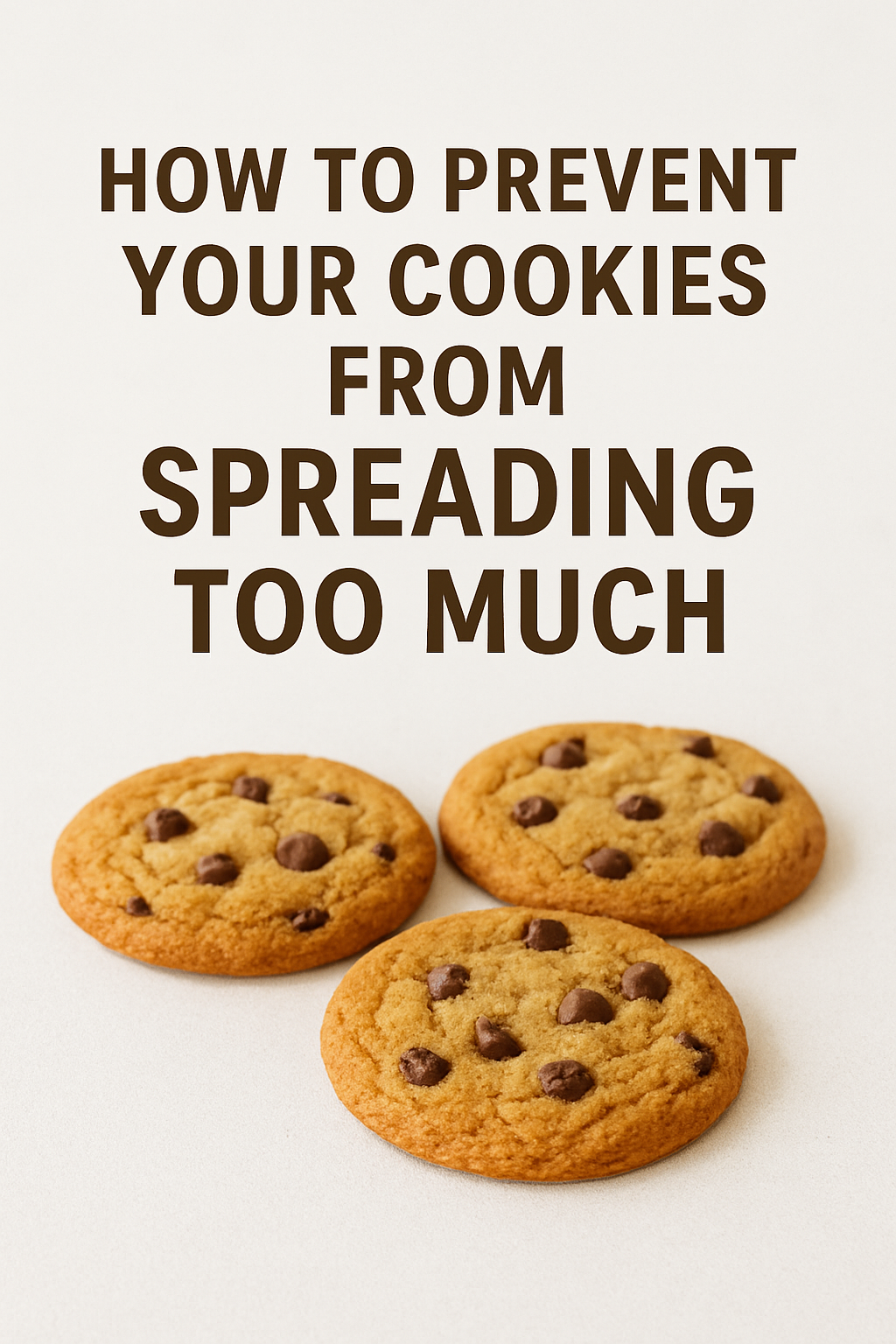
Learn why cookies spread and how to prevent your cookies from spreading too much! If you have ever pulled a tray of cookies out of the oven only to find them thin, flat, and almost melted into each other, you are not alone. Cookie spreading is one of the most common baking frustrations for beginners and even experienced bakers. The good news is that cookie spread is completely fixable once you understand why it happens and what you can do to stop it.
This guide will walk you through the main reasons cookies spread too much, plus beginner-friendly tips to make sure your cookies stay thick, chewy, and picture-perfect every single time.
Why Do Cookies Spread?
Before we dive into solutions, let’s understand what is happening in the oven. Cookie dough is a delicate balance of fat, sugar, flour, and leavening. When the tray goes into the oven, the butter and sugar begin to melt, and the flour provides structure to hold the cookie in place. If there is too much fat or too little flour, the dough will not hold its shape and instead turns into one giant puddle of cookie.
The oven temperature also plays a huge role. If the oven is too cool, the butter melts before the flour and eggs can set, which leads to thin cookies.
Think of cookie spreading as a chain reaction: fat melts, sugar liquefies, flour and eggs set. The balance of those steps is what determines whether you end up with bakery-style cookies or disappointing, paper-thin ones.
Common Reasons Cookies Spread Too Much
Here are the most common mistakes that cause flat cookies:
- Butter is too soft or melted before baking
Warm butter means the fat melts instantly in the oven, leaving nothing to hold the cookie together. - Too much sugar in the dough
Sugar melts and spreads when heated, so extra sugar can make your cookies flatter. - Not enough flour
Flour gives structure. If your dough is off by even a few tablespoons, cookies will collapse. - Overmixing the dough
Overmixed dough warms up and breaks down the structure needed to hold the cookie’s shape. - Skipping the chill time
Dough that goes straight from the mixing bowl to the oven will spread quickly because the butter is still soft. - Greased or hot baking trays
Extra grease or pre-heated pans encourage spreading. - Incorrect oven temperature
If your oven runs cool, cookies will not set quickly enough to hold shape.
How to Prevent Cookies From Spreading
Now that you know why it happens, let’s go step by step through the solutions. These tips are beginner-friendly, so you can put them into practice right away.
1. Measure Ingredients Accurately
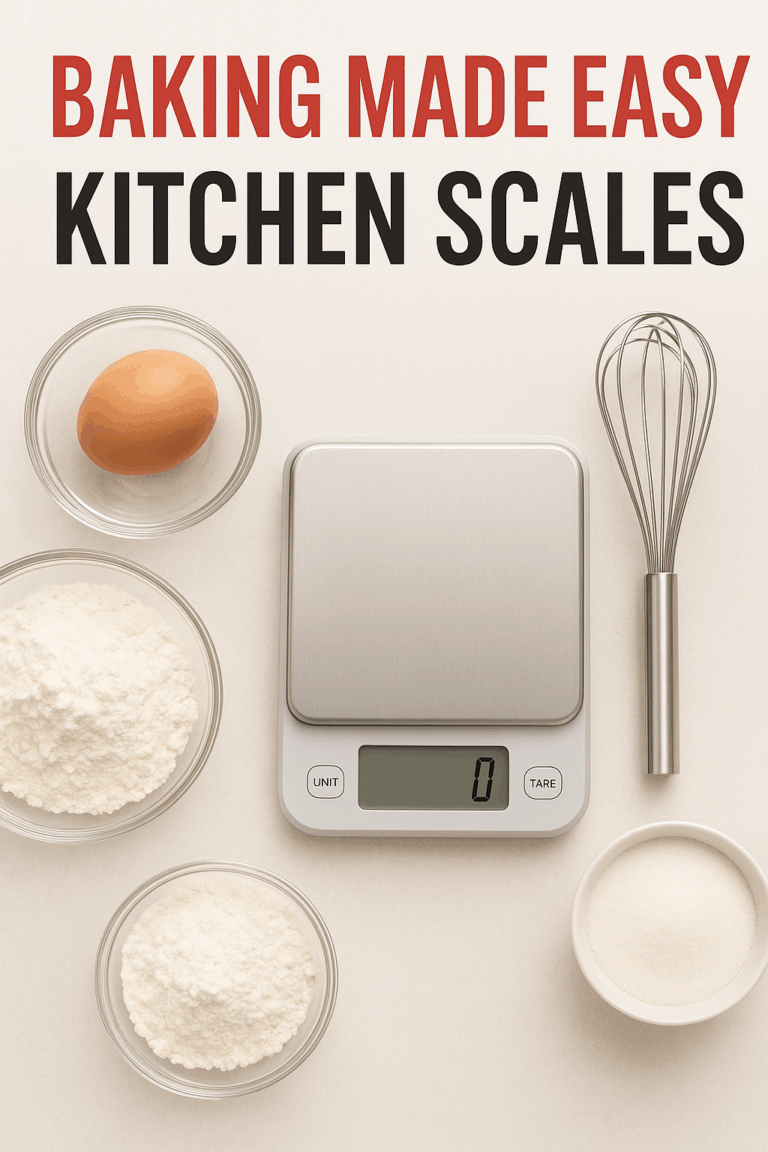
Cookies are sensitive to small changes in ingredient amounts. Use a digital kitchen scale if possible. If you are using cups, spoon the flour into the measuring cup and level it off with a knife instead of scooping directly from the bag. Scooping packs in extra flour, which can affect the recipe. Precise measurements are the first step to preventing spread.
2. Use Properly Softened Butter
Recipes often say to use “room temperature” butter, but that does not mean melted or greasy. Room temperature butter should be cool to the touch and slightly firm, not shiny. A good test is pressing your finger lightly into the butter. It should leave an indent without sinking in completely. If your butter is too soft, place it in the fridge for 10 minutes before using.
3. Chill the Dough Before Baking
Chilling is the golden rule of thick cookies. Even 30 minutes in the fridge helps solidify the fat, which slows down spreading in the oven. For best results, chill the dough for at least 1 to 2 hours. Some bakers even leave the dough overnight. This not only helps with spreading but also improves flavor.
4. Line Baking Sheets Correctly
Use parchment paper or silicone baking mats instead of greasing the pan. Grease creates an oily surface that encourages the dough to slide outward. Parchment gives the cookie something to cling to, helping it bake upward instead of outward.
5. Test Oven Temperature With a Thermometer
Ovens often run hotter or cooler than the display shows. An inexpensive oven thermometer helps you know the exact temperature inside. Cookies usually bake best at 350°F. If your oven is too cool, raise the heat slightly or bake a test cookie first to check results.
6. Avoid Hot Baking Sheets
Never place cookie dough on a tray that just came out of the oven. The residual heat melts the butter instantly, causing spreading before the cookies even get to bake. Always let trays cool or use multiple sheets so you can rotate them.
7. Do Not Overmix the Dough
Once you add flour, mix until just combined. Overmixing develops gluten, warms up the dough, and makes the cookies spread unevenly. Stop mixing as soon as no dry flour is visible.
8. Shape Cookies Taller, Not Wider
When portioning your dough, roll it into balls or even slightly taller cylinders. This encourages upward rise instead of outward spread. Using a cookie scoop ensures uniform size so all cookies bake evenly.
9. Adjust Recipes If Needed
If you have tried all the above tips and still struggle, you may need to adjust the recipe slightly. Adding an extra tablespoon or two of flour can give the dough more structure. Similarly, reducing the sugar by a small amount can slow spreading. Make small changes and test with one cookie before adjusting the whole batch.
Quick Fixes for Flat Cookies
If your cookies already spread in the oven, here are a few tricks to rescue them:
- Use a spatula to push the edges in immediately after taking them out of the oven. The cookies are still soft, so you can reshape them into circles.
- Turn them into cookie sandwiches by filling them with frosting or ice cream.
- Crumble them up and use as a topping for yogurt, ice cream, or a cake.
Even flat cookies can taste amazing, so do not throw them away.
Pro Tips for Consistently Perfect Cookies
- Always bake one test cookie before committing to a whole tray. If it spreads too much, you can chill the dough longer or add a spoonful of flour.
- Store cookie dough in the fridge if you are not baking immediately. Dough warms up quickly at room temperature, leading to spreading.
- If you prefer chewy cookies, slightly underbake and let them set on the tray for a few minutes before transferring. This keeps the centers soft while preventing excess spread.
- For thick bakery-style cookies, try stacking two scoops of dough on top of each other before baking.
Frequently Asked Questions
Why do my cookies spread even when I chill the dough?
You may be using too much sugar or too little flour. Also check that your oven is heating correctly.
Can I fix spreading cookies mid-bake?
Not really, but you can shape them immediately after baking while they are still soft.
Does parchment paper really make a difference?
Yes, parchment or silicone mats give cookies a non-slip surface, unlike greased pans that encourage spreading.
How long should I chill cookie dough?
At least 30 minutes, but ideally 1 to 2 hours. Overnight chilling gives the best flavor and structure.
Final Thoughts: How to Prevent Your Cookies from Spreading
Preventing cookies from spreading is all about controlling temperature, fat, and structure. By measuring carefully, chilling the dough, using the right pans, and double-checking your oven, you can go from flat disappointments to bakery-style cookies every time.
The best part is that these tips work for nearly every cookie recipe, whether you are making classic chocolate chip, sugar cookies, or festive holiday treats. With a little practice and attention to detail, your cookies will look as good as they taste.
Further Reading After “How to Prevent Your Cookies from Spreading Too Much”
For further reference, more tips and advice, check out my other baking tips pages like my “Baking Made Easy: Kitchen Scales” or take a look at any of the posts under Baking Tips! Plus, you can download my FREE Beginners Baking Guide. For videos and baking inspiration, head on over to my Instagram.